



























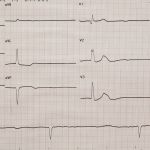


Glossopharyngeal neuralgia (GPN) is a rare, debilitating disorder characterized by sudden, excruciating pain in the distribution of...

The human urinary system is a marvel of biological engineering, relying on a sophisticated communication network between...

Neonatal bacterial meningitis (NBM) remains one of the most critical medical emergencies in pediatrics. Characterized by the...

In the landscape of metabolic medicine, the presence of glucose in urine—known as glucosuria—is most commonly associated...
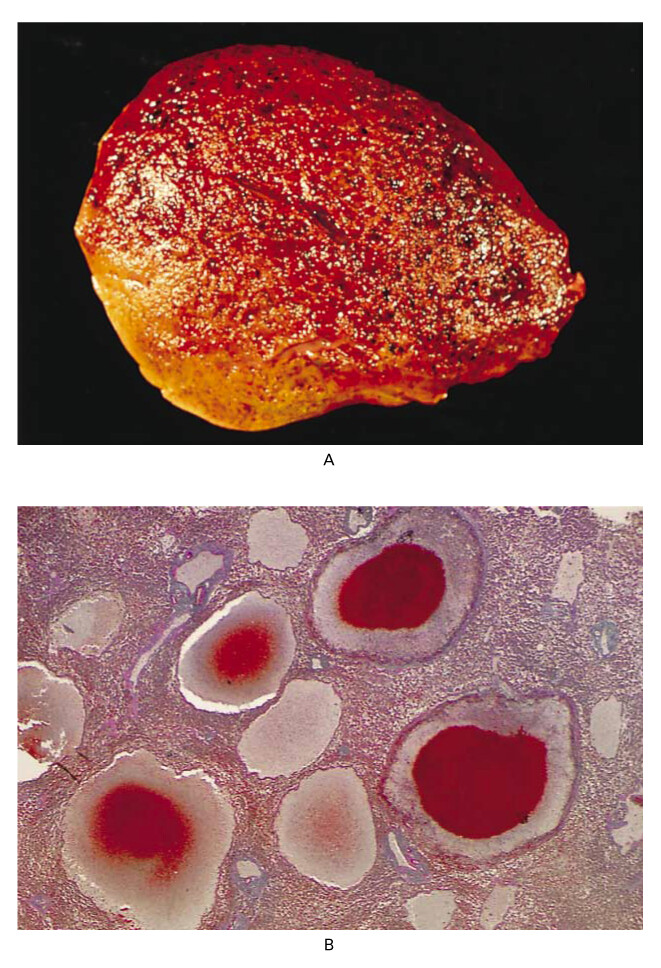
The liver, a tireless workhorse of the human body, performs a myriad of essential functions, from detoxification...

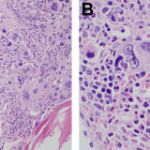
Juvenile Xanthogranuloma (JXG) represents the most common form of non-Langerhans cell histiocytosis. While the name may sound...

Necrotizing Enterocolitis (NEC) stands as one of the most devastating gastrointestinal emergencies affecting premature and low-birth-weight infants....

The term “arteriosclerosis” is often conflated with “atherosclerosis,” leading to significant confusion in medical literature and patient...

Amblyopia—often called “lazy eye”—is the most common neuro‑visual disorder in children, affecting roughly 2–5 % of the pediatric population worldwide...

The intricate machinery of the human hand, a marvel of dexterity and utility, can sometimes fall prey...

Hartnup disease, while rare, represents a fascinating intersection of genetics, nutrition, and biochemistry. Named after the Hartnup...
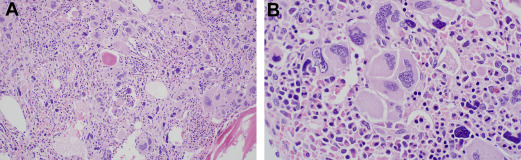
In the complex landscape of hematologic disorders, myelophthisic anemia represents a particularly challenging clinical scenario. It is...
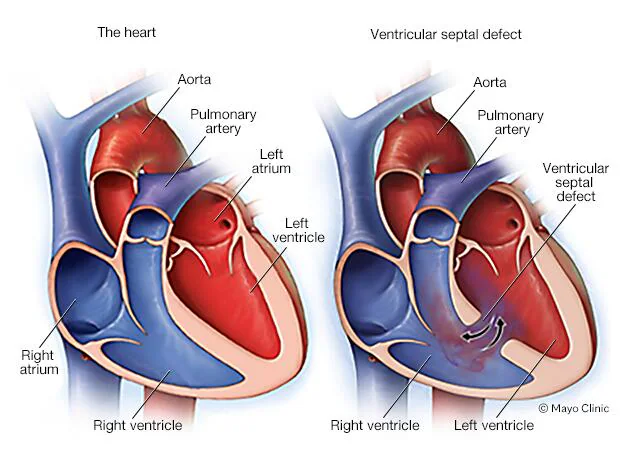
Ventricular Septal Defect (VSD) is one of the most prevalent congenital heart diseases (CHDs) encountered in clinical...
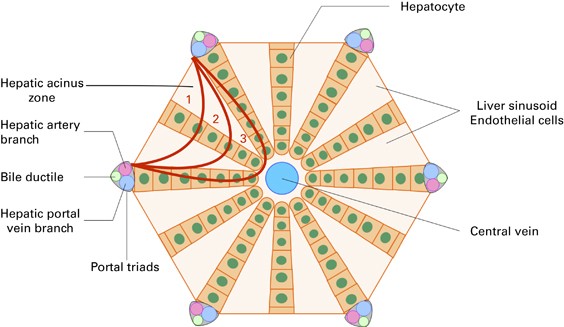
Sinusoidal Obstruction Syndrome (SOS), historically referred to as Veno-Occlusive Disease (VOD), represents a significant and potentially life-threatening...
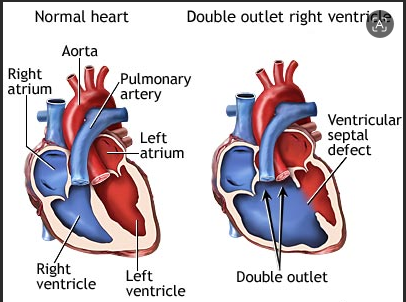
Double Outlet Right Ventricle (DORV) represents one of the most complex congenital heart defects (CHDs) categorized within...
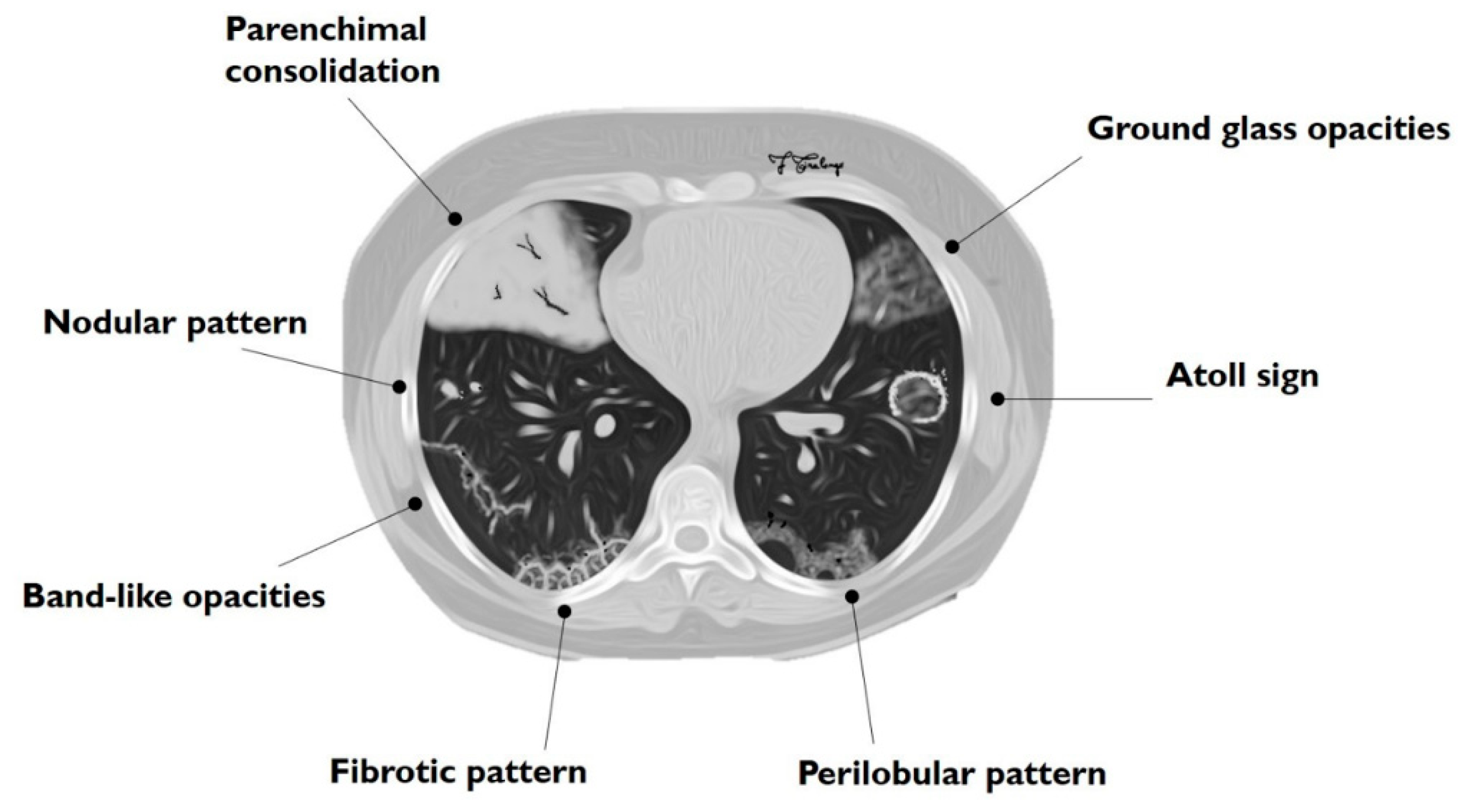
Respiratory health is foundational to overall well-being, yet the lungs are susceptible to a wide array of...

Craniotubular hyperostoses (CTH) represent a heterogeneous group of rare genetic disorders characterized by aberrant bone remodeling, primarily...

Peutz-Jeghers Syndrome (PJS) is a rare, autosomal dominant hereditary disorder characterized by the development of hamartomatous polyps...

Locked-In Syndrome (LIS), historically referred to as pseudocoma or ventral pontine syndrome, represents one of the most profound neurological challenges...
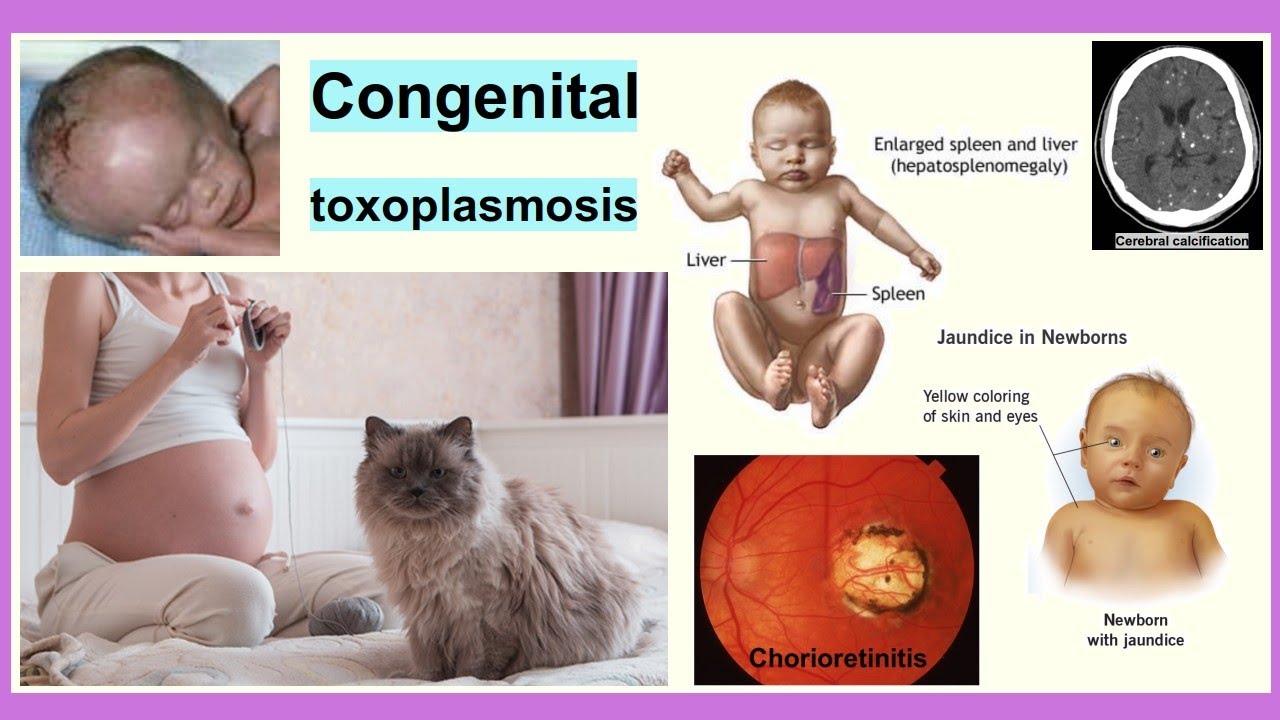
Congenital toxoplasmosis (CT) is a significant clinical condition resulting from the transplacental transmission of the protozoan parasite Toxoplasma...

Orthostatic hypotension (OH), frequently referred to as postural hypotension, represents a significant cardiovascular phenomenon characterized by a...

Legg-Calvé-Perthes Disease (LCPD) is an idiopathic condition characterized by avascular necrosis of the femoral head in children,...

Thrombocytopenia, defined as a platelet count below the normal range (typically less than 150,000 platelets/μL), is a...

Neonatal cholestasis is a medical condition characterized by a reduction or cessation of bile flow in infants,...
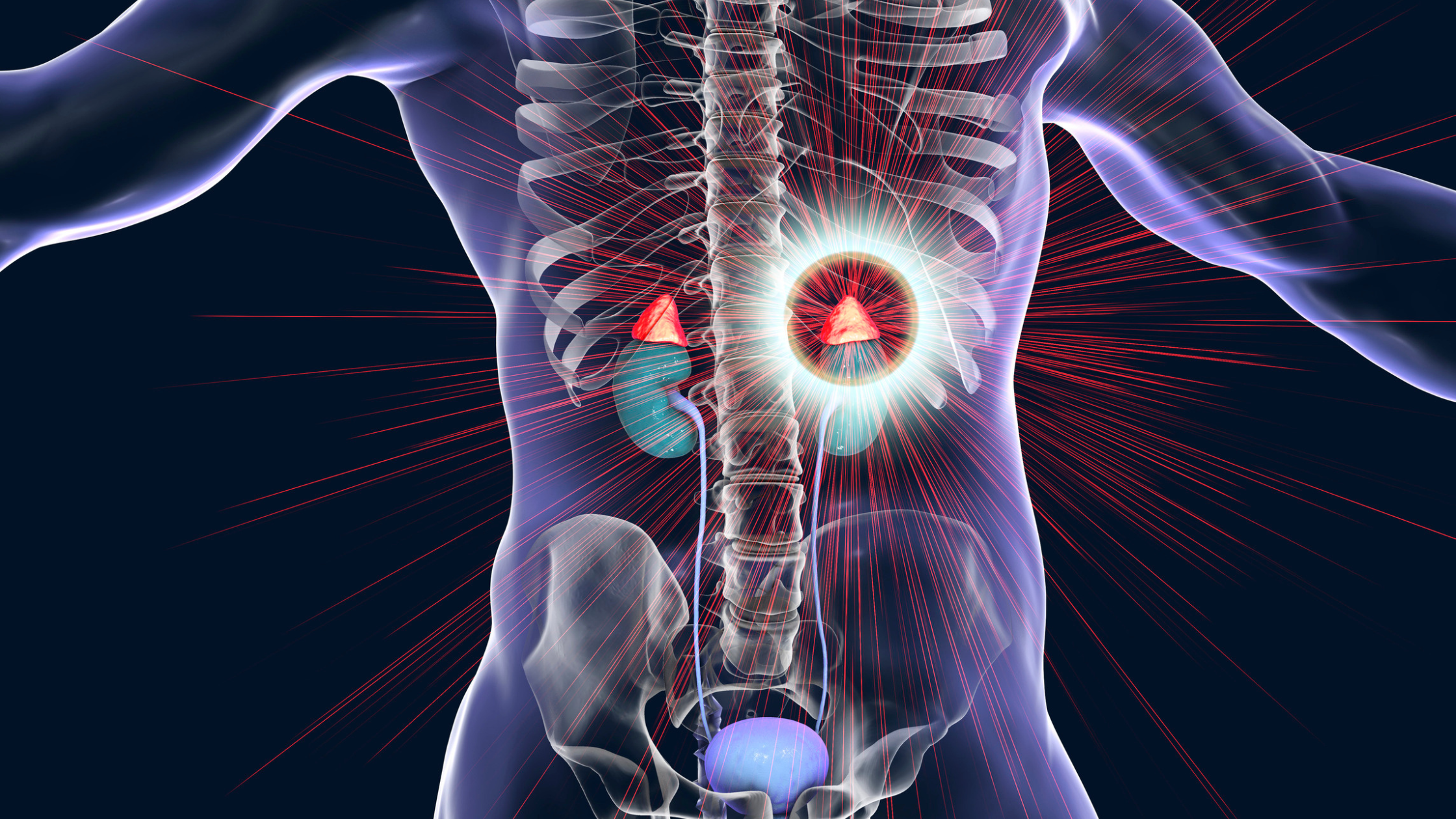
Syndrome of Inappropriate Antidiuretic Hormone Secretion (SIADH) is a complex metabolic disorder characterized by the excessive, unregulated...
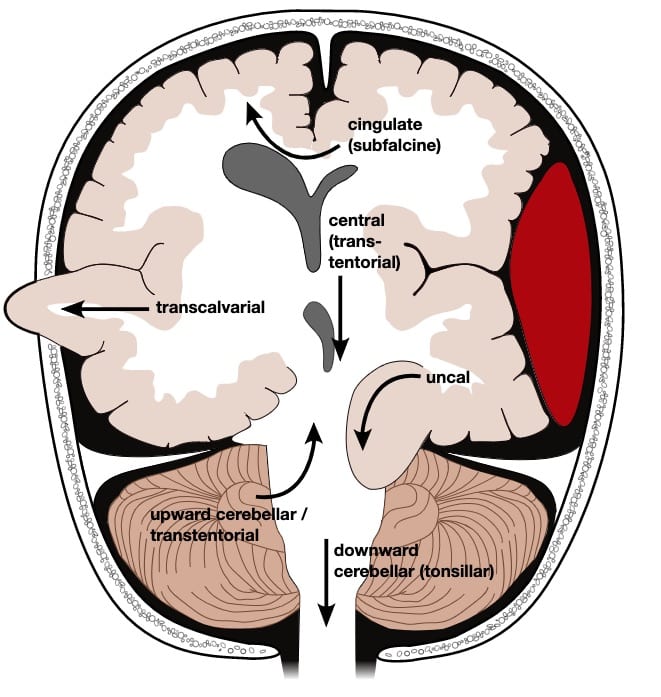
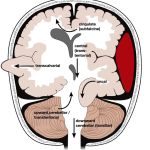
Brain herniation represents one of the most critical emergencies in neurology and neurosurgery. It is a life-threatening...
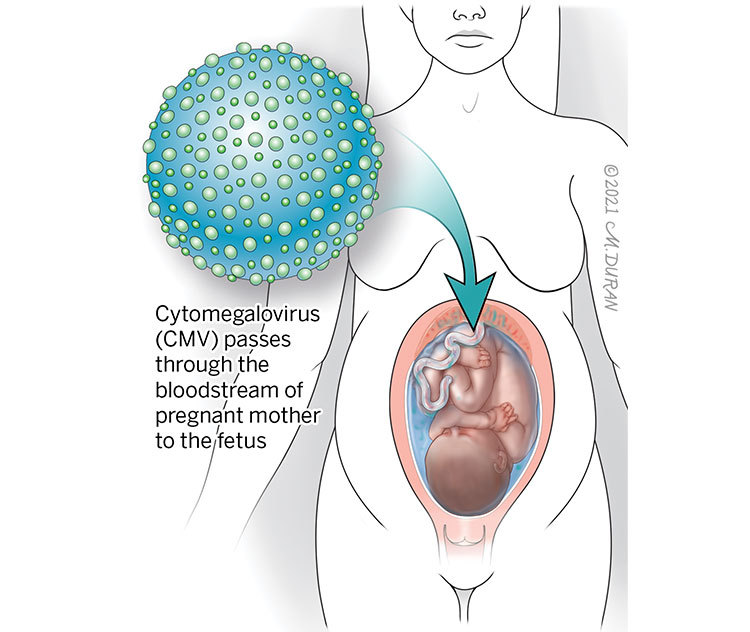
Cytomegalovirus (CMV), a member of the Herpetoviridae family (specifically Human Herpesvirus 5), is a ubiquitous pathogen that remains the...

Porphyria Cutanea Tarda (PCT) is the most prevalent form of porphyria globally, representing a group of metabolic...

Sick Sinus Syndrome (SSS), also known as sinus node dysfunction (SND), represents a collection of heart rhythm...
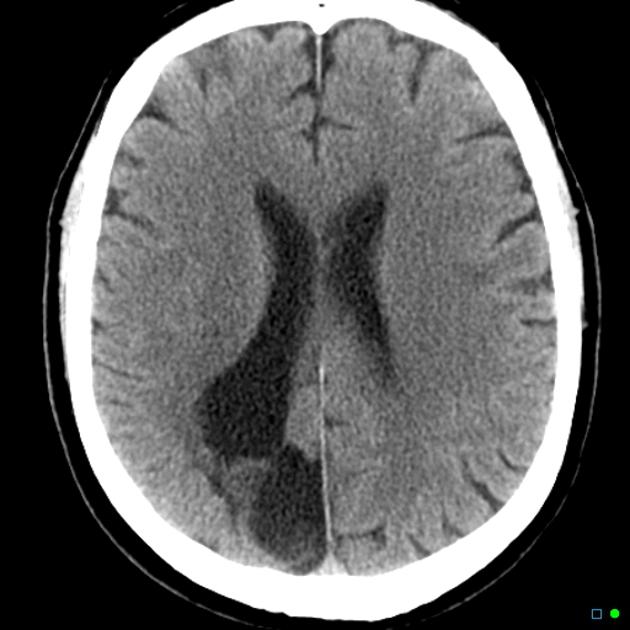
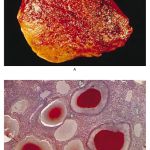
Porencephaly is a rare neurological condition characterized by the formation of a cyst or cavity within the...
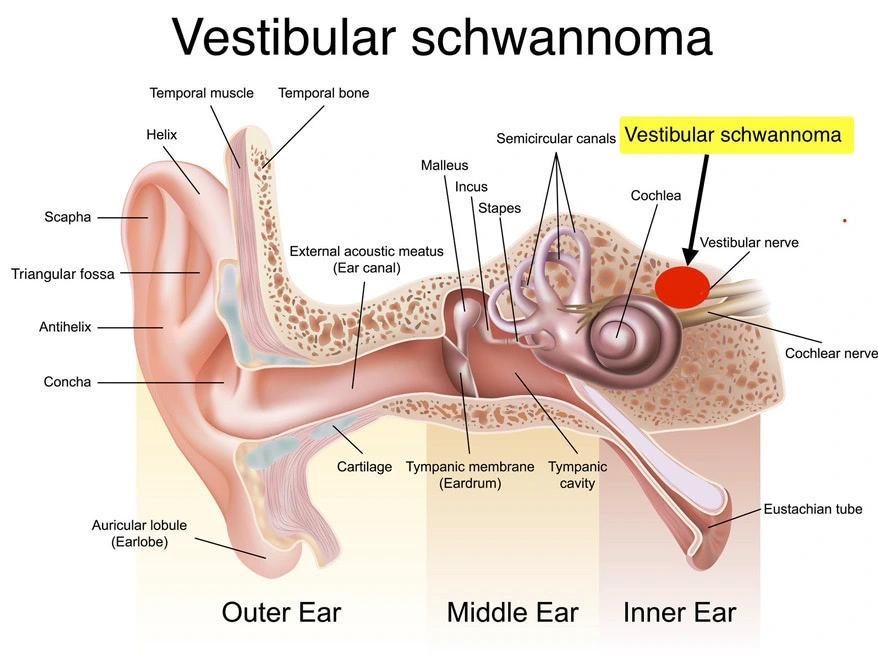
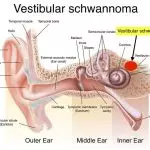
Vestibular Schwannoma (VS), historically and commonly referred to as an acoustic neuroma, is a benign, slow-growing primary...

Ocular Mucous Membrane Pemphigoid (OMMP) is a chronic, progressive, and potentially sight-threatening systemic autoimmune disease characterized by...

Recurrent Respiratory Papillomatosis (RRP) is a chronic, rare, and debilitating disease characterized by the growth of benign,...

Rhabdomyolysis is a severe medical condition characterized by the rapid breakdown of skeletal muscle fibers, leading to...

The porphyrias are a group of metabolic disorders resulting from deficiencies in the enzymes of the heme...

Prune-Belly Syndrome (PBS), also known as Eagle-Barrett Syndrome, is a rare, complex congenital disorder characterized by a...
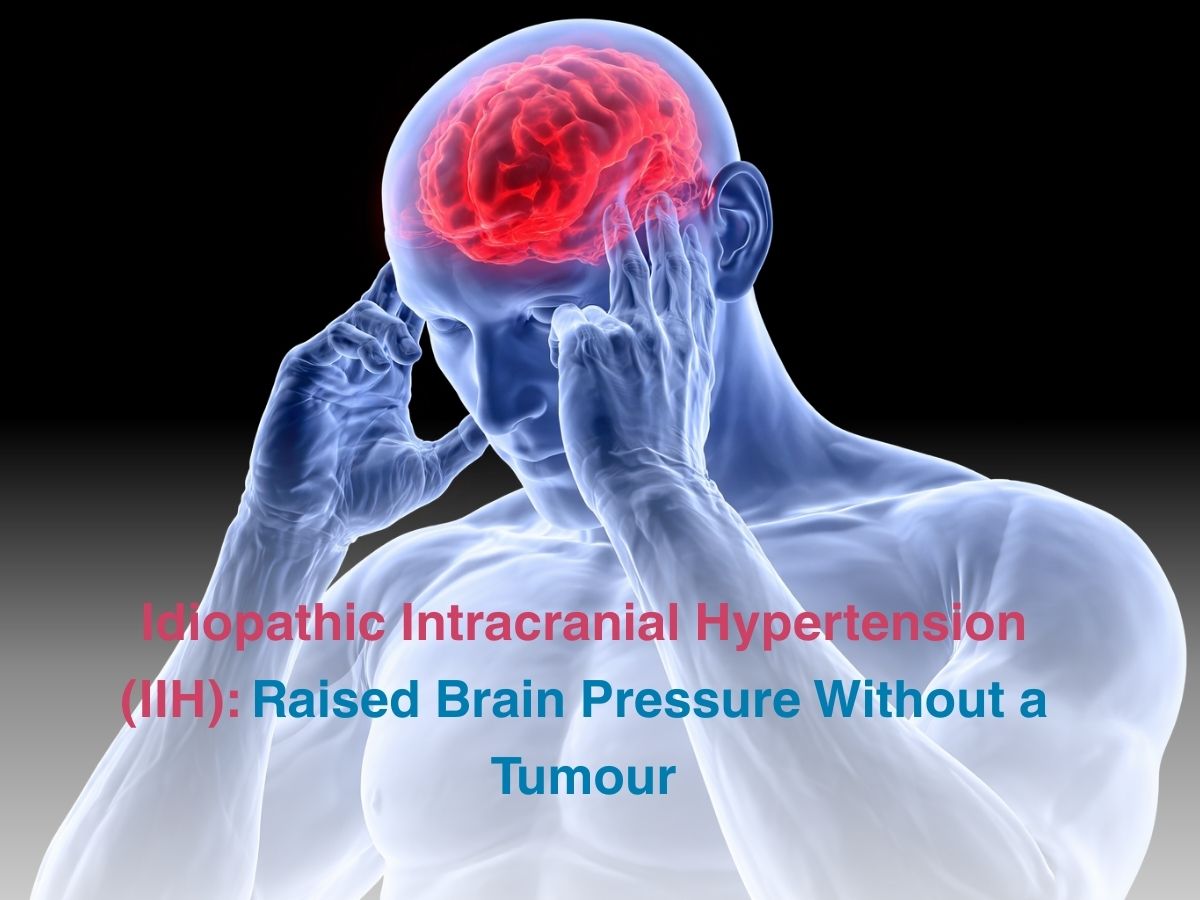
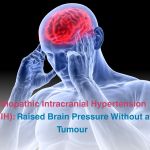
Idiopathic Intracranial Hypertension (IIH), historically known as pseudotumor cerebri, is a complex neurological disorder characterized by elevated...

Stress testing is a critical diagnostic cornerstone in modern medicine, particularly within the field of cardiology. At...
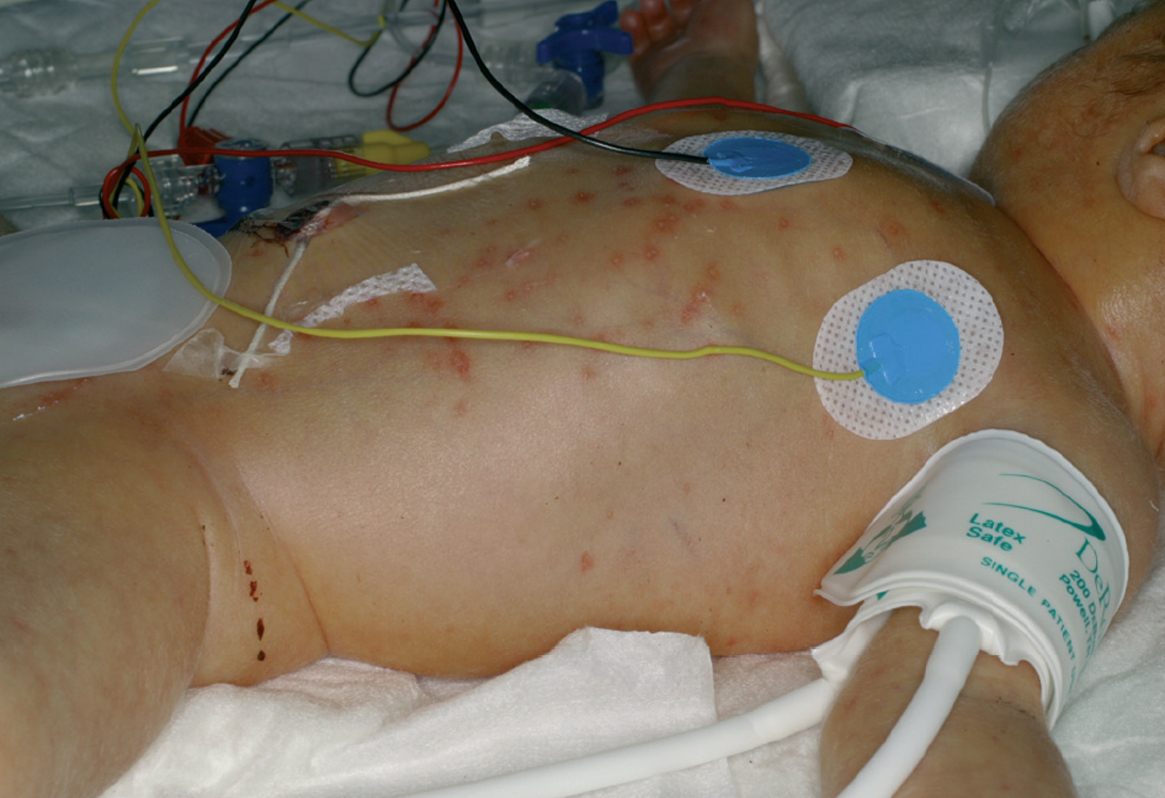
Neonatal listeriosis is a severe, often life-threatening, invasive infection caused by the bacterium Listeria monocytogenes. While relatively rare,...